
Stiff neck: why it happens and how long it lasts
Woke up and can't turn your head? A stiff neck is usually not damage but muscles guarding. How long it lasts, what helps and when to see a doctor.
Seven in the morning. You turn your head to the right to switch off the alarm and your neck sends a sharp warning. You try again and it stops at the same spot. Locked.
A stiff neck is usually not a tear or something slipping out of place but a protective response: the muscles in your neck stay on guard and limit how far your head turns in one direction. It doesn't mean there is serious damage in the tissue, and most of the time it eases within a few days as you gently move in the directions that don't hurt. Keeping your neck completely still, on the other hand, tends to drag things out.
What causes a stiff neck?
The trigger is often ordinary. The wrong pillow, your head stuck at an odd angle all night, a sudden turn, or a tired week with too little sleep. "I slept on it funny" or "I've got a crick in my neck" mostly describes the same thing. Why it happens on some mornings and not others, we honestly don't know; the same pillow can behave for years and then one day it doesn't.
How long does a stiff neck last?
There are two answers and both are true. Most people feel clear relief within the first few days; the angle you can turn grows a little every morning. But for the whole thing to go fully quiet can take longer than you'd expect. In a Norwegian study that followed the general population, the average drop in newly started neck pain was measured at around 30 percent over three months. So if there is still a mild ache on day three, it doesn't mean something has gone wrong.
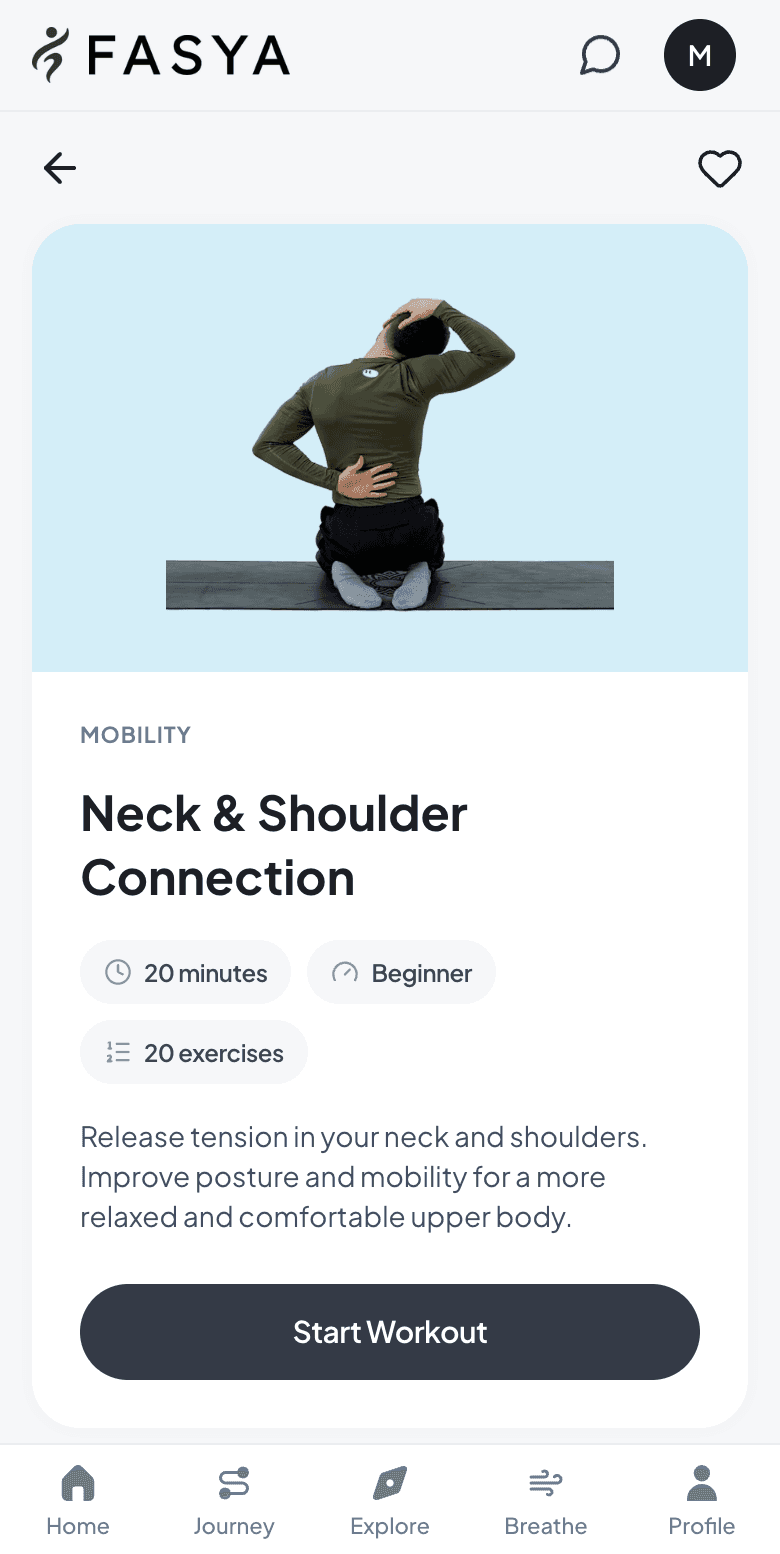
What helps recovery is clear: don't freeze your neck. But remembering to move during the day with a sore neck, especially at a desk, is anything but easy. Once the stiffness has passed, the Neck & Shoulder Connection workout in the app is one option for working your neck together with your shoulders.
My neck is stiff, what should I do?
What neck pain guidelines agree on is simple: stay active, carry on with your day, and move your neck within the range the pain allows. In practice:
- Start with the direction that doesn't hurt. If turning left is easy, turn left first. Then go towards the painful side, stop just short of the limit and come back.
- Keep it small and slow. Five to ten repetitions, a few times a day. The goal isn't to push, it's to show your neck that this movement is safe.
- Use heat. A warm shower or a hot towel brings relief for a lot of people.
- Move once an hour. If you're at a desk, don't let your neck sit at the same angle for hours; get up, roll your shoulders, gently take your head from side to side.
- Keep doing your daily things. Staying in bed or wearing a neck collar is not needed in most cases.
A mild pulling feeling is fine. Sharp pain, pain that keeps building or pain spreading into your arm is not; if that happens, stop.
Fasya is a 5-minute-a-day mobility app, and its short movement breaks are built on exactly these kinds of small, frequent doses.
Frequently asked questions
- How long does a stiff neck last?
- A stiff neck usually loosens up noticeably within a few days. A mild ache lasting longer is also normal; in newly started neck pain the average drop was measured at around 30 percent over three months.
- Is it better not to move my neck at all when it's stiff?
- No, freezing your neck completely usually drags things out. The advice is to start from the direction that doesn't hurt, turn slowly within the small range the pain allows and keep going with your day.
- Is heat or ice better for a stiff neck?
- Heat is what's more often recommended for a stiff neck. A warm shower or a hot towel can help you relax; it makes most sense to combine it with small, gentle movements.
- Is a stiff neck dangerous?
- Usually not; it's not a tear but your muscles guarding. See a doctor if it comes with fever and a severe headache, if sudden and very severe pain comes with dizziness or speech problems, or if the pain started after an accident.
Sources
Sources are taken from the expert-reviewed content cards in Fasya's knowledge base.
- Natural course of acute neck and low back pain in the general population: the HUNT study — Vasseljen O, Woodhouse A, Bjørngaard JH, Leivseth L, 2013
- Neck Pain: Revision 2017. Clinical Practice Guidelines Linked to the ICF — Blanpied PR, Gross AR, Elliott JM, et al., 2017
- Epidemiology, diagnosis, and treatment of neck pain — Cohen SP, 2015
- International Framework for Examination of the Cervical Region for Potential of Vascular Pathologies of the Neck Prior to Musculoskeletal Intervention — Rushton A, Carlesso LC, Flynn T, et al., 2023
- The Canadian C-spine rule for radiography in alert and stable trauma patients — Stiell IG, Wells GA, Vandemheen KL, et al., 2001
- International Framework for Red Flags for Potential Serious Spinal Pathologies — Finucane LM, Downie A, Mercer C, et al., 2020
This article is for information only; it does not diagnose and is no substitute for an examination. If your symptoms persist, see a clinician.
Related articles
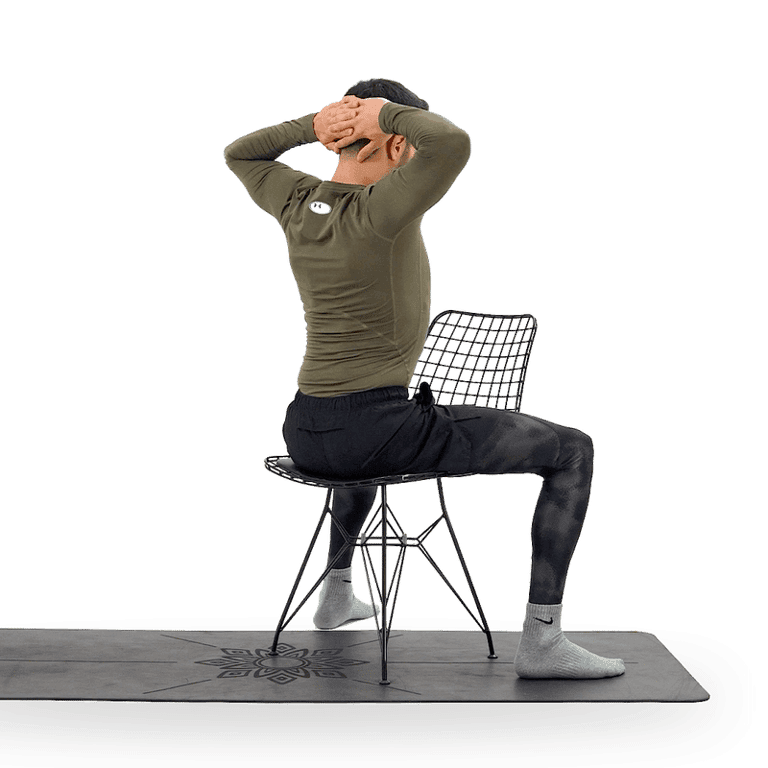
Why does my neck hurt when I sit at the computer?
Is it your posture, a forward head or the 'flat neck' on your X-ray? Research blames all three far less than you would think. Why the neck gets tired, how it works with the upper back and shoulders, and what you can do today.
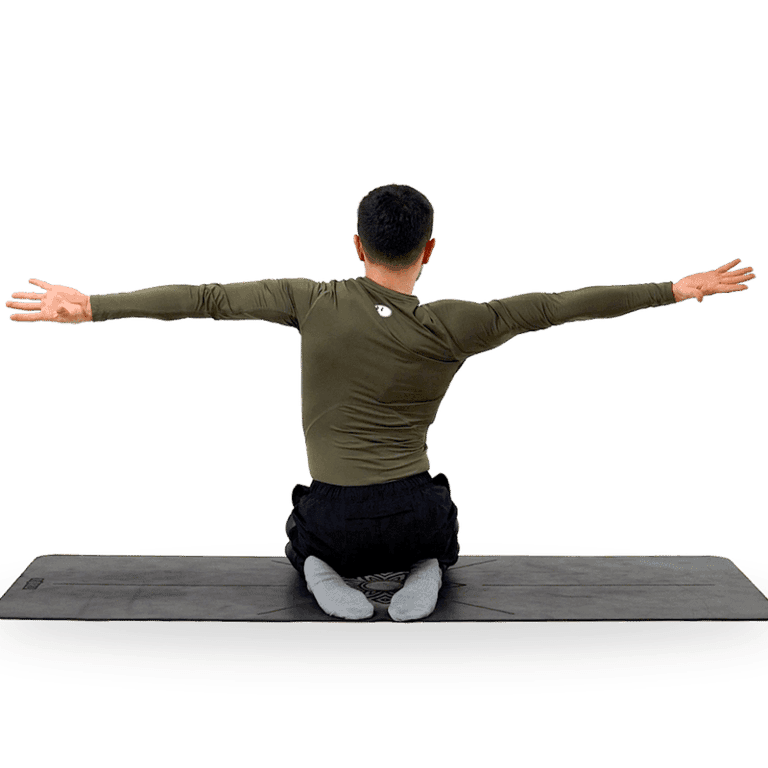
What is that knot between your shoulder blades?
Feels like someone is pressing a fist between your shoulder blades? What that knot really is, how much stress has to do with it, and small breaks you can try without leaving your desk.