
Why does everything feel stiff after sitting for a long time?
Why do your lower back and hips stiffen after long sitting? Whether it's stuck fascia, whether water helps, and the simplest way to stay loose at your desk.
You've been in the same chair for four hours. When you get up, the front of your hips and your lower back feel heavy, as if something inside has stuck together. Your first few steps are clumsy. The video you watch that evening has the diagnosis ready: "Your fascia is stuck. Drink lots of water and open it up with a foam roller."
Short answer: the stiffness you get from long sitting is usually not damage but a temporary trace of not moving. Tissue that has stayed in the same position for hours feels heavy in the first movements, and the gliding between layers is reduced for a while. Drinking water does not directly free it up; movement does.
What happens in your body when you sit for a long time?
Fascia is the web of connective tissue that wraps muscles and organs, and it is built in layers. When you move, these layers slide over one another. In What is fascia? we covered the idea that the lubricating fluid between them thickens when you don't move, and that in people with long-standing low back pain the sliding was measured as about twenty percent lower. This is called densification, and it is still a hypothesis. We covered the pain side in the article on back pain from sitting.
The tissue itself also responds to warmth and movement. Warm tissue lengthens with less resistance; tissue that gets heavy when it stays still loosens up with the first movements. Morning stiffness easing with movement within 10 to 30 minutes in most people is the overnight version of the same thing.
Is this stuck fascia?
Usually not. When tissue tears or is cut during surgery, the body repairs it with scar tissue. This new tissue can genuinely bind together layers that normally slide over one another. That is a real adhesion, and following it up is a job for the surgical team and the physiotherapist.
With the heaviness at your desk, the layers are not bound together; they just slide less easily. There is nothing to break. The same goes for the hard "knot" under your finger: whether it is a lump of muscle stuck in contraction is debated. Sensitised nerve endings and changes in gliding are among the possible explanations too.
Does drinking water relieve stiffness?
There is plenty of water inside fascia, that much is true. But we don't know of any study showing that the water you drink from a glass goes specifically to your fascia and "hydrates" it. Serious dehydration affects the whole body; in someone who already drinks normally, there is no evidence that a few extra glasses change the gliding.
Some researchers suggest that movement keeps fluid exchange in the tissue going: like a sponge that empties when squeezed and fills again when released. It sounds logical, but it hasn't been proven yet. The conclusion is the same: how often you get up from your chair matters more than your water bottle. The hard part is remembering. The Daily Movement Snack in the app gives you that reminder every day as a small option.
What can you do to avoid getting stiff at your desk?
- Move often and in small doses. Break up long stretches of sitting with a few minutes on your feet; every now and then take your hips and lower back through their full range.
- Be patient with the first minutes. The clumsiness after long sitting is most likely the layers starting to slide again. Begin with slow, wide movements.
- Use warmth. A hot shower or a short walk makes the start easier.
- It doesn't have to hurt. If a foam roller or massage feels good, use it; the relief is real, but it comes from the nervous system and doesn't last long.
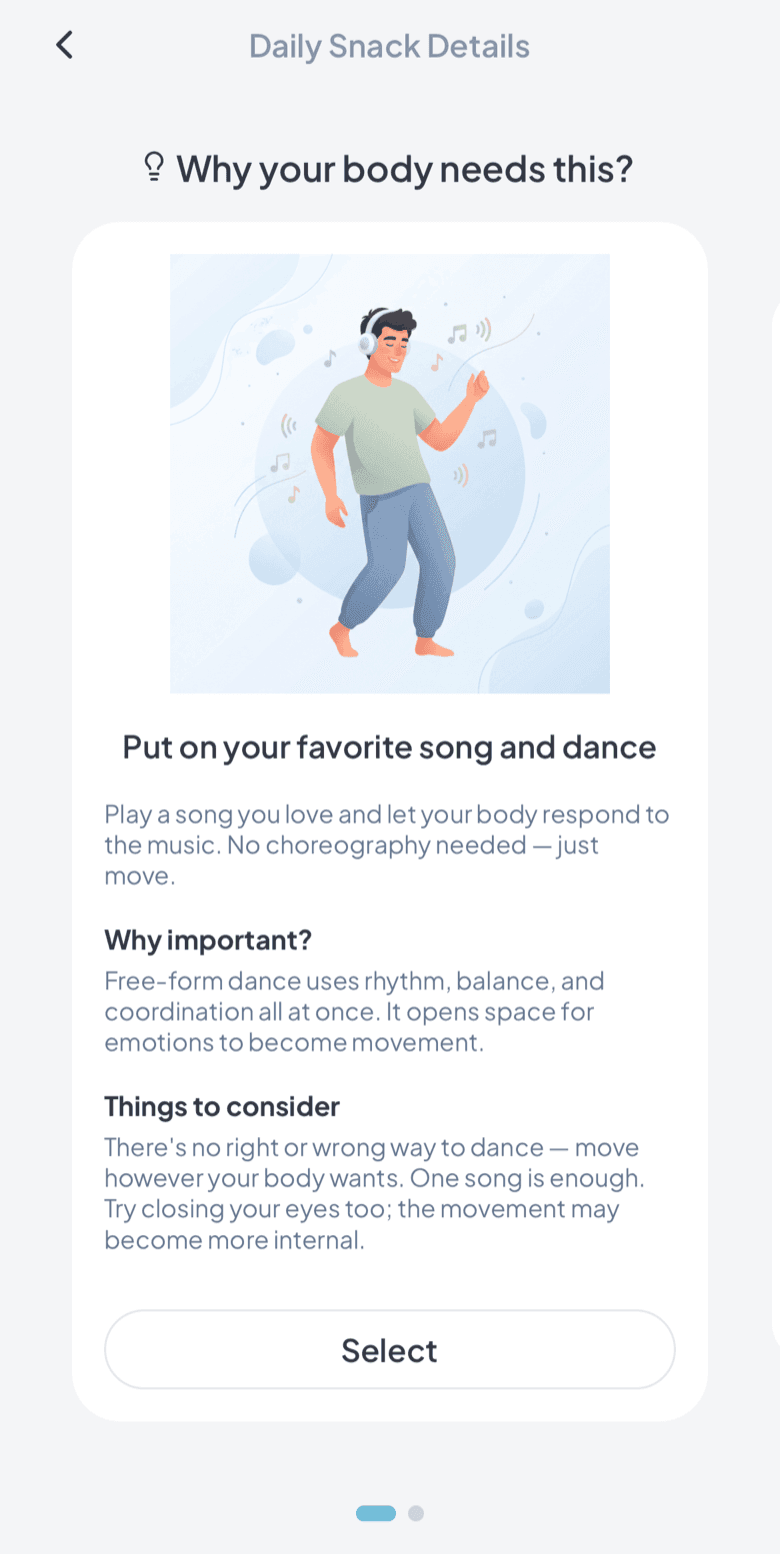
That relief comes and goes within minutes; your pain threshold rises with movement and then returns to where it was. That's why short repeats spread across the day work better than a single long session. Fasya is a 5-minute-a-day mobility app, and this is why it splits movement into small pieces spread across the day.
If you have a surgical scar, the rule is different: only the team that operated on you can say what is allowed in that area and when. If the area around the scar is getting stiffer or your range of motion is shrinking as the weeks go by, see a physiotherapist.
Frequently asked questions
- Why does my lower back get stiff when I sit for a long time?
- Tissue that stays in the same position for hours feels heavy in the first movements; the gliding between layers is thought to decrease when you don't move. If it loosens up after a few minutes of movement, it is not a sign of damage.
- How often should I get up from my desk?
- There is no proven exact interval. Getting up for a minute every hour is a good start; what matters is breaking up long periods of sitting.
- What is stuck fascia?
- A real adhesion is when scar tissue that forms after surgery or a serious injury binds layers together. The "stuck" feeling at your desk is mostly gliding that decreases when you don't move; this is a hypothesis, and the layers are not bound together.
- Does drinking water help fascia?
- In someone who already drinks normally, there is no evidence that extra water hydrates fascia. For gliding, getting up from your chair matters more than your water bottle.
Sources
Sources are taken from the expert-reviewed content cards in Fasya's knowledge base.
- Hyaluronan within fascia in the etiology of myofascial pain — Stecco C, Stern R, Porzionato A, Macchi V, Masiero S, Stecco A, De Caro R, 2011
- Reduced thoracolumbar fascia shear strain in human chronic low back pain — Langevin HM, Fox JR, Koptiuch C, Badger GJ, Greenan-Naumann AC, Bouffard NA, et al., 2011
- Thixotropy in skeletal muscle and in muscle spindles: a review — Proske U, Morgan DL, Gregory JE, 1993
- Warm up I: potential mechanisms and the effects of passive warm up on exercise performance — Bishop D, 2003
- In vivo diurnal variation in intervertebral disc volume and morphology — Botsford DJ, Esses SI, Ogilvie-Harris DJ, 1994
- A critical evaluation of the trigger point phenomenon — Quintner JL, Bove GM, Cohen ML, 2015
- Reliability of physical examination for diagnosis of myofascial trigger points: a systematic review of the literature — Lucas N, Macaskill P, Irwig L, Moran R, Bogduk N, 2009
- Three-dimensional mathematical model for deformation of human fasciae in manual therapy — Chaudhry H, Schleip R, Ji Z, Bukiet B, Maney M, Findley T, 2008
- Do self-myofascial release devices release myofascia? Rolling mechanisms: a narrative review — Behm DG, Wilke J, 2019
- A meta-analysis of the effects of foam rolling on performance and recovery — Wiewelhove T, Döweling A, Schneider C, et al., 2019
- The science and translation of lactate shuttle theory — Brooks GA, 2018
- Massage impairs postexercise muscle blood flow and lactic acid removal — Wiltshire EV, Poitras V, Pak M, Hong T, Rayner J, Tschakovsky ME, 2010
- A meta-analytic review of the hypoalgesic effects of exercise — Naugle KM, Fillingim RB, Riley JL, 2012
- Enhanced Recovery After Surgery: A Review — Ljungqvist O, Scott M, Fearon KC, 2017
This article is for information only; it does not diagnose and is no substitute for an examination. If your symptoms persist, see a clinician.
Related articles
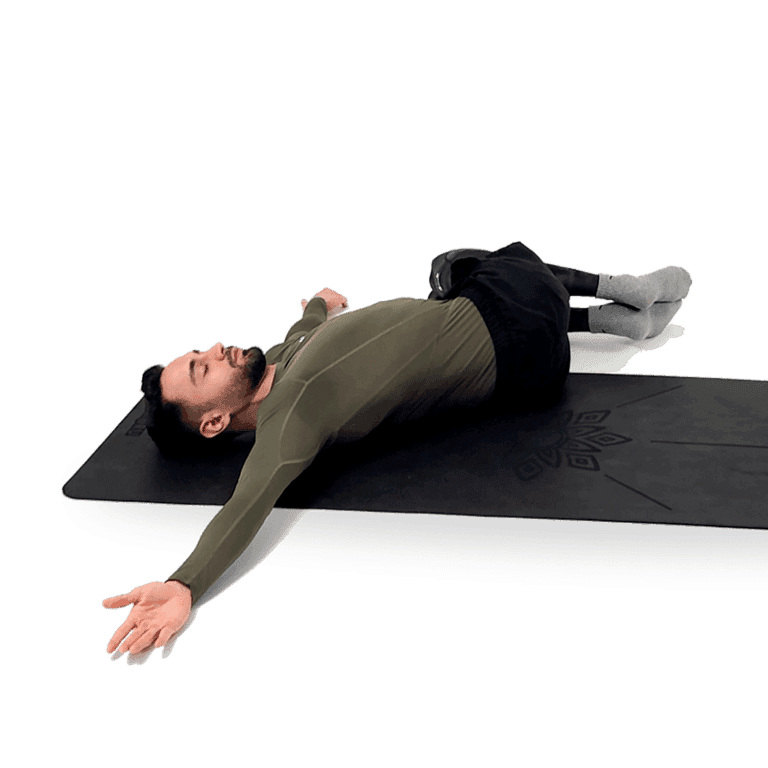
Why does my back hurt after sitting for a long time?
Is it the chair, your posture or a weak core? Research blames all three far less than you would think. What actually makes the difference, and what you can do at the same desk today.
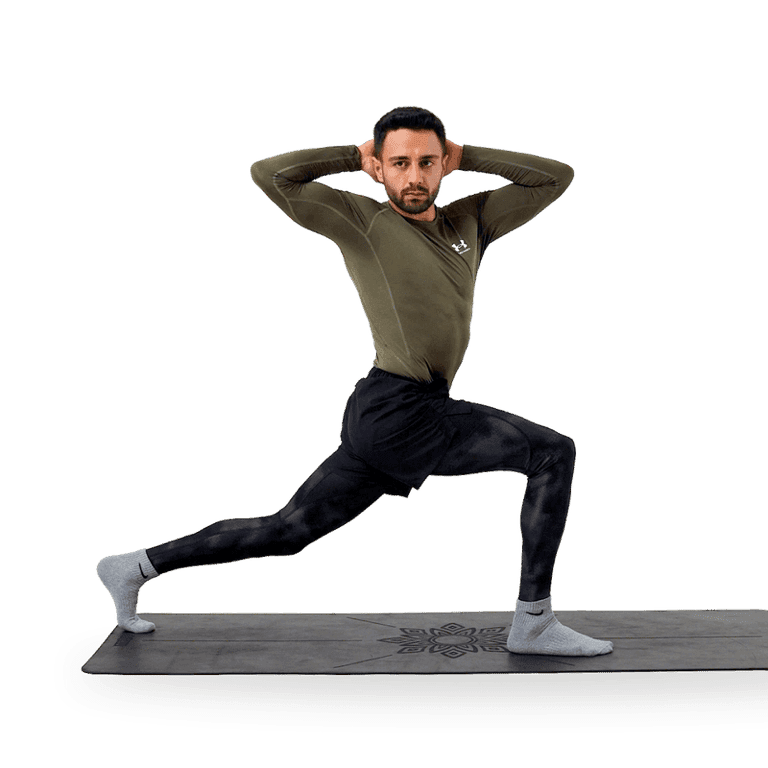
What is fascia? The web that makes the body one piece
Everyone talks about fascia, but few explain what it is. From the skin of an orange to nerve endings: what fascia really is, which claims rest on evidence, and why listening to your body is a skill you can learn.
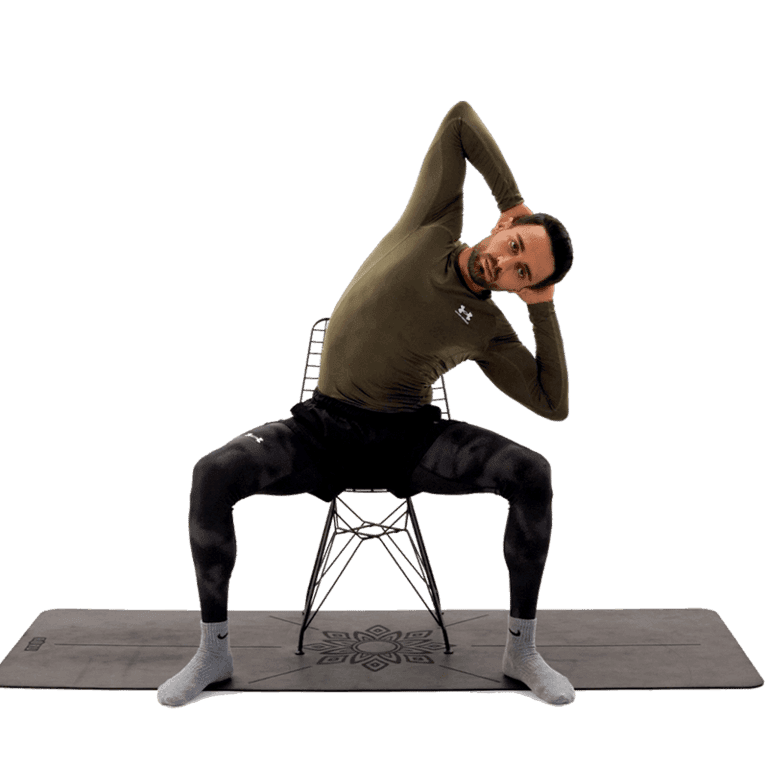
Which desk stretches actually work at the office?
Turn your neck, reach your arms up, work your shoulder blades, rotate your torso. The desk stretches that work are simple; the real difference is how many times a day you repeat them.